
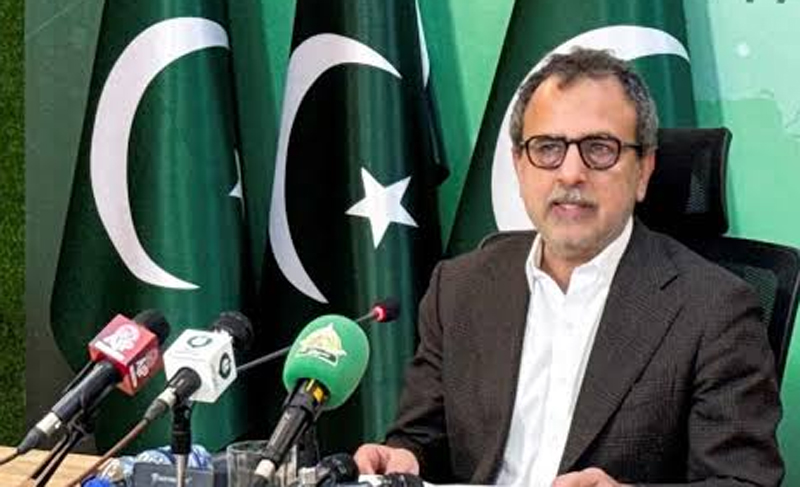
ISLAMABAD: Pakistan is continuing negotiations with the International Monetary Fund (IMF) to secure approval for a proposal that would allow electricity to be supplied at lower rates during specific hours of the day, Federal Energy Minister Awais Leghari said on Monday.
Speaking at the Battery Storage Flexibility 2026 Conference in Islamabad, Leghari said the government believes time-based electricity pricing could encourage greater power consumption, improve grid efficiency and make better use of available electricity generation capacity. However, he acknowledged that the IMF has not yet agreed to the proposal despite discussions that have continued for several months.
The minister said Pakistan remains committed to convincing the IMF that the initiative would benefit both consumers and the country’s power sector without undermining ongoing economic reforms.
Pakistan Seeks IMF Approval for Off-Peak Electricity Pricing
Responding to questions from energy experts during the conference, Leghari said the government has been engaged in detailed discussions with the IMF over introducing discounted electricity tariffs during designated off-peak hours.
According to the minister, the proposed pricing model would encourage households and businesses to shift electricity consumption away from peak demand periods, allowing the national grid to operate more efficiently while increasing overall electricity usage.
He said negotiations with the IMF have been underway for months and expressed confidence that Pakistan would continue presenting the economic and technical case for the proposal.
Leghari also referred to international experience, noting that similar pricing mechanisms have successfully increased electricity consumption in other countries. He cited the example of an Australian company that recorded a significant increase in electricity sales after adopting time-based electricity pricing.
Government Continues Broad Energy Sector Reforms
The minister said Pakistan’s electricity sector is undergoing one of its most significant reform programmes in recent years, aimed at improving efficiency, strengthening the power market and encouraging greater use of clean energy technologies.
He said the government would continue sharing detailed data and technical assessments with the IMF to demonstrate the potential benefits of flexible electricity pricing.
Leghari also announced that Pakistan’s first comprehensive national energy plan is expected to be completed by April next year, providing a long-term strategy for electricity generation, transmission, storage and consumption.
According to him, the plan will serve as a roadmap for meeting the country’s growing energy demand while supporting economic growth and reducing dependence on conventional fuels.
Battery Storage Seen as Key to Pakistan’s Clean Energy Future
A significant portion of the minister’s address focused on the role of battery energy storage in Pakistan’s future electricity system.
Leghari said battery storage technology will become increasingly important as more consumers install rooftop solar systems and renewable energy production continues to expand.
He explained that households and businesses will increasingly be able to store surplus solar electricity generated during daylight hours and use it after sunset, reducing pressure on the national grid while improving energy reliability.
According to the minister, the greater availability of solar-generated electricity during the day has already helped improve the country’s electricity situation compared with previous years.
He added that battery storage would allow excess electricity to be preserved rather than wasted, making renewable energy more reliable and economically viable.
Pakistan Targets 90% Clean Energy by 2035
Leghari said clean energy currently accounts for approximately 55% of Pakistan’s electricity generation, reflecting continued investment in renewable and low-carbon energy sources.
The government, he said, aims to increase that share to 90% by 2035, describing the target as a major milestone in Pakistan’s long-term energy strategy.
However, the minister stressed that expanding solar and wind generation alone would not be enough to achieve that objective.
He said battery energy storage systems would play a critical role in maintaining grid stability, balancing electricity supply and demand, and ensuring reliable power availability as renewable energy capacity grows.
Without large-scale storage infrastructure, he warned, integrating very high levels of renewable energy into the national grid would remain difficult.
Government Encourages Local Battery Manufacturing
Alongside expanding battery storage capacity, the government also plans to strengthen Pakistan’s domestic manufacturing capabilities.
Leghari said Pakistan intends to promote local battery production instead of relying primarily on imported products.
He added that the government wants to encourage domestic engineering, system integration, battery management software development and related technologies to build a competitive local energy storage industry.
According to the minister, developing local manufacturing will not only support Pakistan’s clean energy ambitions but also create investment opportunities, skilled jobs and technological expertise.
Energy Transition Remains Central to Pakistan’s Economic Strategy
Pakistan has placed energy sector reform at the centre of its broader economic agenda as it seeks to improve electricity affordability, reduce inefficiencies and attract investment into modern energy infrastructure.
The government’s strategy includes expanding renewable energy generation, modernising the national grid, improving electricity demand management and increasing the use of advanced battery storage technologies.
The outcome of ongoing discussions with the IMF on flexible electricity pricing is expected to play an important role in determining how quickly some of these consumer-focused reforms can be introduced.
While negotiations continue, officials say Pakistan remains committed to pursuing long-term reforms aimed at building a more reliable, affordable and sustainable electricity system.