
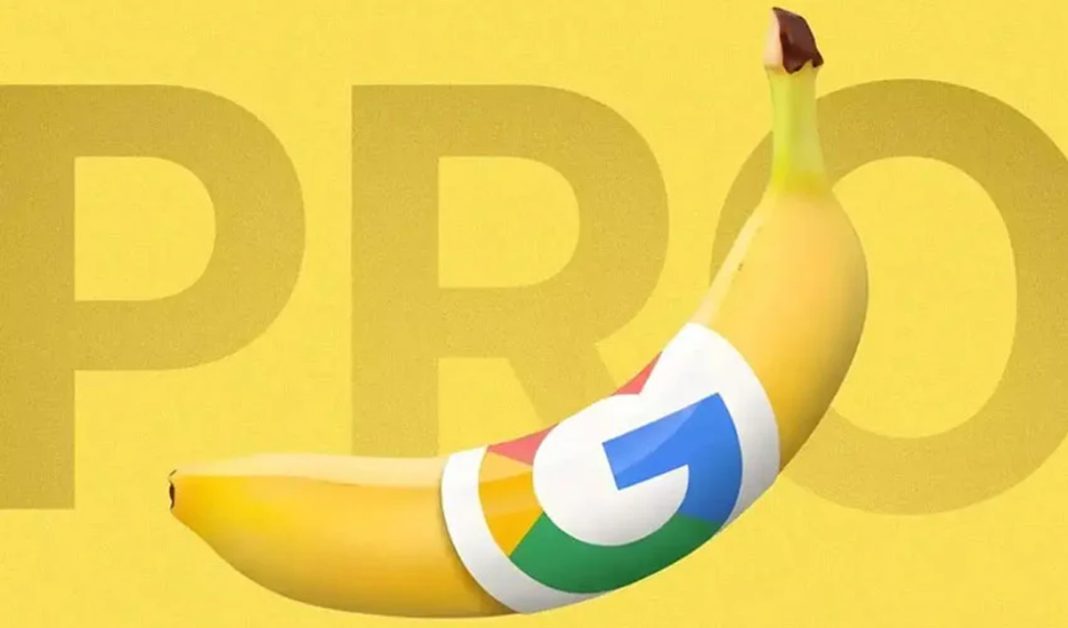
Following in the footsteps of GPT Image, Grok and Nano Banana, Google has now released its latest artificial intelligence (AI)-based image generation model ‘Nano Banana Pro’ (Gemini 3 Pro Image), and to be honest, the results look so real that they seem more terrifying than surprising.
Nano Banana Pro is being described as ‘the most advanced image generation and editing model’, which has exceptional performance in visual design, general information and text rendering.
It opens up a new world for creative individuals and businesses, provided it is used responsibly, but the degree of realism it produces is also very worrying in our time.
It raises the same old question again, and this time with a much greater intensity: how do we know what’s real and what’s not?
In a world where people of all ages believe even half-truths online, technology like the Nano Banana Pro takes this crisis of authenticity to a whole new level.
When OpenAI introduced its “most advanced image generator ever,” which was included in the GPT-40, in March, our feeds were flooded with Studio Ghibli-style animations that raised serious copyright and ethical questions.
In recent years, image-generating AI has posed risks not only to art and artists but also to the average person. From fake nude photos to making fabricated claims about someone, there seems to be no limit to the misuse of AI.
On November 8, an account called ‘PakVocals’ posted a video on X (Twitter) claiming that journalist Benazir Shah was dancing in a nightclub, in order to damage her reputation.
In less than two weeks, the video had garnered more than 500,000 views, but was later proven to be fake.
AI learns from millions of images on the internet and remembers the text associated with them. In a process called ‘diffusion’, AI breaks the image down into meaningless pixels and then reverses the process to reconstruct the image.
Artificial intelligence does not care about copyright, so artistic styles are also used without permission.
Through platforms like Midjourney, DALL-E, and Canva, anyone with a monthly subscription and an internet connection can now create an image in the style of any artist without asking the artist for permission or giving them credit.
Alarm bells are ringing in the film world too.
Actress Gina Ortega, who was a judge at the Marrakech International Film Festival (along with ‘Parasite’ director Bong Joon-ho), warned that it’s easy to be afraid of the “deep uncertainty” AI brings to cinema.
According to BuzzFeed, she said it’s like we’ve opened Pandora’s box.
There are some things AI can never replicate, the beauty in difficulty, the beauty in mistakes, computers can’t do that, computers have no soul.
It’s not something we can really connect with. We shouldn’t make assumptions about the audience, but hopefully there will come a time when AI becomes mental junk food, and we feel uncomfortable but don’t understand why. Sometimes, the audience has to lose something in order to appreciate it again.
In a world where we’re already seeing strange things, from baby skincare lines, movies made with AI, driverless cars, and science fiction-like technology, who knows what’s coming next?